
Making the Switch from Coffee to Herbal Tea
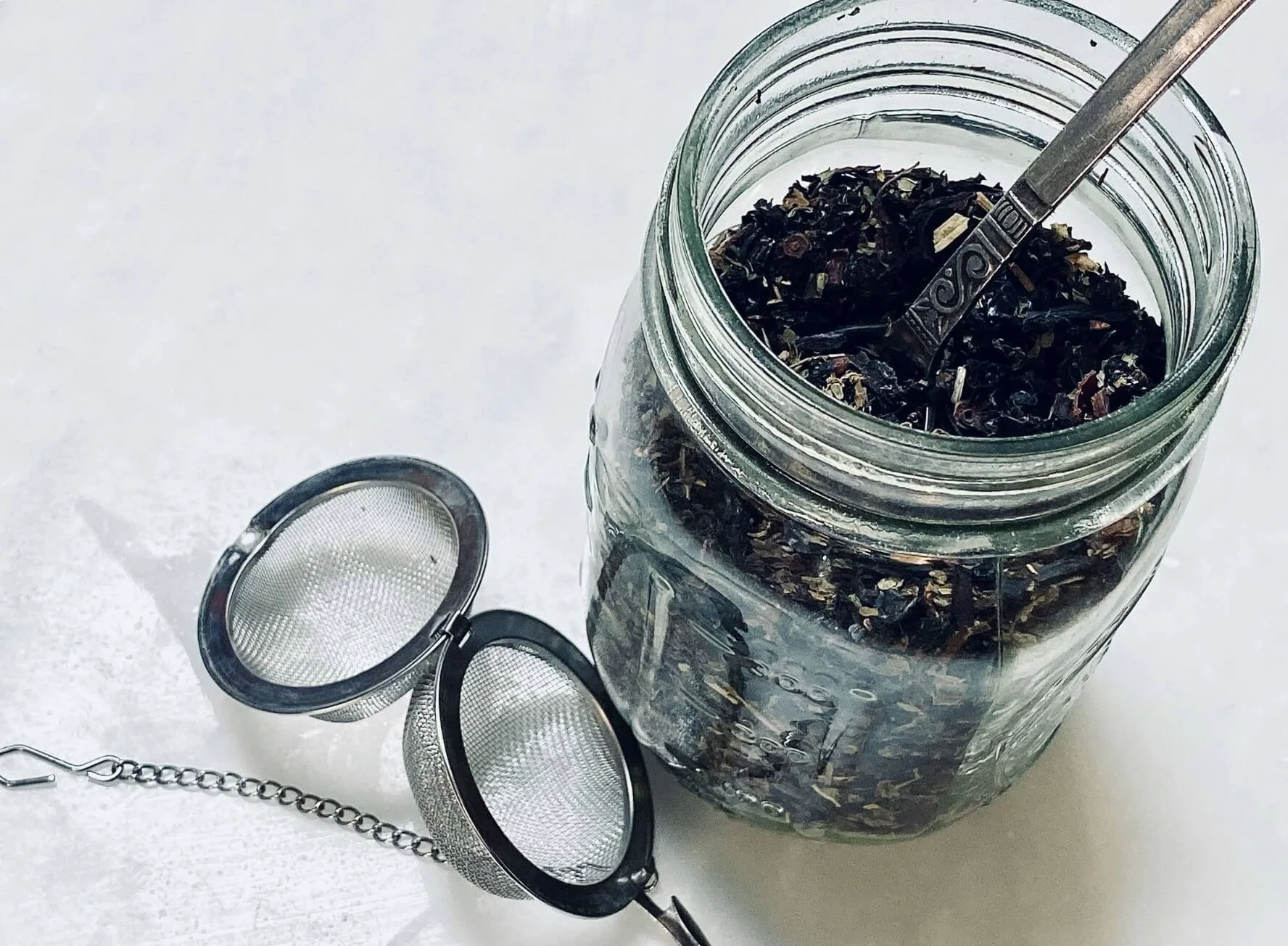
Switching To Herbal Tea
Rather than quitting coffee cold turkey, you gradually reduce your intake while increasing herbal tea.
You've been thinking about it for a while. Maybe you're tired of the jitters, the afternoon crashes, or the way coffee seems to fuel your anxiety. Perhaps your sleep quality has suffered, or you simply want to break free from caffeine dependence. Whatever your reason, you're considering making the switch from coffee to herbal tea.
This transition can be life-changing - but it's not always easy. Coffee isn't just a beverage; it's a ritual, a comfort, an identity. For many of us, it's how we start our day, how we take breaks, how we connect with others.
The good news? You don't have to give up the ritual, the warmth, or the moment of pause. You're simply changing what's in your cup. This guide will help you make that transition smoothly, successfully, and in a way that actually enhances your wellbeing rather than feeling like deprivation.
Why People Make the Switch
Understanding your motivation helps you stay committed when the transition gets challenging. Common reasons people move from coffee to herbal tea include:
Physical Reasons:
Caffeine sensitivity causing jitters, anxiety, or racing heart
Sleep disruption (coffee affects sleep even 6+ hours after consumption)
Digestive issues or acid reflux aggravated by coffee
Teeth staining or oral health concerns
Dehydration from coffee's mild diuretic effect
Blood pressure concerns
Hormonal imbalances affected by caffeine
Energy Reasons:
The rollercoaster of caffeine spikes and crashes
Afternoon energy slumps requiring more coffee
Dependence - needing coffee just to feel "normal"
Difficulty maintaining steady energy throughout the day
Wellness Reasons:
Desire for more natural, sustainable energy
Interest in the therapeutic benefits of herbs
Wanting to reduce stimulant dependence
Seeking a healthier relationship with daily rituals
Curiosity about adaptogens and functional herbs
Lifestyle Reasons:
Pregnancy or nursing
Trying to break addictive patterns
Financial savings (quality herbal tea can be more economical)
Desire for variety and exploration
Whatever your reason, it's valid. And it's worth pursuing - even if the transition takes some time and intention.
What to Expect: The Honest Truth About Withdrawal
Let's address the elephant in the room: if you're a regular coffee drinker, stopping suddenly can cause withdrawal symptoms. Being prepared for this helps you navigate it successfully.
Common Withdrawal Symptoms:
Headaches (often the most prominent symptom)
Fatigue and low energy
Difficulty concentrating
Irritability or mood changes
Mild depression or anxiety
Physical sluggishness
Timeline:
Days 1-2: Symptoms often peak during this time
Days 3-5: Symptoms typically begin improving
Week 2: Most people feel significantly better
Weeks 2-4: Energy stabilizes and you adapt to life without caffeine
The severity depends on how much coffee you've been drinking. One cup per day? Mild symptoms. Multiple large cups daily? More intense withdrawal.
But here's the important part: this is temporary. And there are strategies to minimize discomfort.
Strategy 1: The Gradual Reduction Method
For most people, this is the most comfortable approach. Rather than quitting coffee cold turkey, you gradually reduce your intake while increasing herbal tea.
Week 1: Baseline Awareness
Continue your normal coffee routine
Start drinking one cup of herbal tea daily (perhaps in the afternoon)
Notice how much coffee you actually drink and when
Week 2: First Reduction
Reduce coffee by 25% (if you drink 4 cups, go to 3)
Replace that cup with herbal tea
Choose an energizing herbal blend for morning replacement
Week 3: Continued Reduction
Reduce another 25% (now at 50% of original intake)
Add another herbal tea into your routine
Notice if your energy feels more stable
Week 4: Majority Transition
Down to 25% of original coffee intake (one small cup if you started with four)
Most of your hot beverage consumption is now herbal tea
Your body is adjusting to new patterns
Week 5+: Complete Transition
Eliminate remaining coffee or keep one small cup if desired
Fully transitioned to herbal tea
Energy stabilizes at new baseline
This gradual approach minimizes withdrawal symptoms while allowing your body to adjust to a new way of generating and maintaining energy.
Strategy 2: The Cold Turkey Approach
Some people prefer to make a clean break. If you choose this route:
Before You Start:
Pick a low-stress week (not during major work deadlines or life events)
Stock up on your chosen herbal teas
Plan for extra rest
Have pain relievers on hand for potential headaches
Warn friends and family you might be irritable
During Withdrawal:
Drink plenty of water (dehydration worsens headaches)
Get extra sleep
Take walks for natural energy and mood support
Be gentle with yourself
Lean into herbal teas throughout the day
After the First Week:
Notice improvements in sleep quality
Observe more stable energy (no crashes)
Recognize you're through the hardest part
This method requires more willpower but gets you through withdrawal faster.
Strategy 3: The Hybrid Method
This approach uses small amounts of caffeinated tea (green or black) as a bridge between coffee and herbal tea:
Phase 1: Coffee to Caffeinated Tea (1-2 weeks)
Replace coffee with strong black tea or green tea
Tea has less caffeine than coffee (about 50% less)
You get gentler stimulation with L-theanine (promotes calm focus)
Phase 2: Reduce Caffeinated Tea (2-3 weeks)
Mix caffeinated and herbal teas throughout the day
Morning: caffeinated tea
Afternoon/evening: herbal tea
Gradually shift ratio toward more herbal
Phase 3: Fully Herbal (ongoing)
Transition completely to herbal tea
Keep caffeinated tea for occasional use if desired
Enjoy life without caffeine dependence
This creates the gentlest transition with minimal withdrawal.
Choosing Your Herbal Teas: What to Drink Instead
The key to successful transition is finding herbal teas you genuinely enjoy and that meet your needs. Here's how to approach this:
For Morning Energy: Awakening Blends
You need something that helps you wake up and feel ready for your day. Look for:
Ginger-Based Blends - Ginger provides natural invigoration through warming circulation support. Blends like Dawning (lemongrass, ginger, turmeric, black pepper) offer morning vitality without caffeine.
Adaptogenic Blends - Adaptogens support balanced energy throughout the day. Look for blends with holy basil, eleuthero, or ashwagandha.
Citrus and Mint - Bright, refreshing flavors feel naturally awakening. Peppermint, lemongrass, and citrus peels create an uplifting morning experience.
Why These Work: They don't provide the jolt of caffeine, but they support your body's natural energy production, circulation, and vitality. The energy feels different—steady and sustainable rather than spiked and crashed.
For Afternoon Steadiness: Sustaining Blends
Mid-afternoon is when coffee drinkers often reach for another cup. Instead:
Nettle and Nutritive Herbs - These mineral-rich herbs support sustained energy and vitality. They nourish rather than stimulate.
Peppermint - Refreshing and naturally uplifting without any caffeine. Great for that afternoon refresh.
Rooibos-Based Blends - Naturally sweet and satisfying, rooibos provides comfort without caffeine.
Why These Work: They provide refreshment and a moment of pause without adding more stimulation that could interfere with evening wind-down.
For Evening Wind-Down: Calming Blends
One of coffee's biggest impacts is on sleep - even when consumed many hours before bed. Evening herbal tea supports your transition to rest:
Chamomile-Based Blends - The classic for good reason. Chamomile is gentle, calming, and sleep-supportive.
Lavender Blends - Aromatic relaxation that signals to your nervous system it's time to wind down.
Lemon Balm - Calming to racing thoughts and gentle on the digestive system.
Comprehensive Sleep Blends - Formulations like Do-Si-Doze (valerian, passion flower, chamomile, lemon balm, lavender, cloves) provide multi-herb sleep support.
Why These Work: They actively support your body's transition to sleep rather than interfering with it like coffee does.
For Focus and Mental Clarity: Cognitive Blends
Many people drink coffee for focus. Herbal alternatives can support cognitive function differently:
Rosemary - Traditionally used for memory and mental clarity Holy Basil - Adaptogenic support for focus under stress Peppermint - Mental stimulation and clarity Ginkgo - Cognitive support and mental sharpness
Look for blends that combine these, such as cognitive-focused formulations that support your brain without caffeine's downsides.
Why These Work: They support cognitive function through different mechanisms—circulation, adaptogenic stress support, and direct cognitive enhancement rather than stimulation.
Creating New Rituals: It's Not Just About the Beverage
Much of coffee's appeal is ritual. To successfully transition, you need to create new rituals around herbal tea that feel equally satisfying.
The Morning Ritual
Instead of stumbling to the coffee maker half-asleep:
Heat water mindfully - Use this time to stretch, breathe, look out the window
Choose your blend intentionally - What does your body need today?
Steep with presence - Those 5-7 minutes are your transition from sleep to day
Sip slowly - No rushing. This is your time.
Notice how you feel - Tune into your body's response
This transforms "getting caffeine" into "caring for yourself."
The Work Break Ritual
Coffee breaks are social. Herbal tea breaks can be too:
Keep a variety of herbal teas at work
Invite colleagues to try your interesting blends
Use the break for actual rest, not just caffeine
Make it a moment to step away from screens
Notice how the break itself (not just coffee) provides refreshment
The Afternoon Pick-Me-Up Ritual
Instead of another coffee:
Choose a refreshing herbal blend
Pair with a healthy snack for sustained energy
Take a brief walk while tea steeps
Use the break to reset, not just push through
Notice if you actually needed energy or just wanted a break
The Evening Ritual
Replace wine or late coffee with:
A calming herbal blend
Your evening wind-down routine
Perhaps journaling or reading while you sip
Signaling to your body that rest is coming
Appreciating the calm rather than chasing stimulation
Addressing the Challenges
Let's troubleshoot common difficulties people face when transitioning:
Challenge: "I still feel tired in the morning without coffee"
Solution: This improves over time as your body learns to produce energy naturally. Meanwhile:
Get morning sunlight (resets circadian rhythm)
Move your body - even 5 minutes of stretching
Try cold water on your face
Choose invigorating herbal blends
Go to bed earlier (you may have been using coffee to compensate for insufficient sleep)
Challenge: "Herbal tea doesn't taste as good as coffee"
Solution:
Remember that coffee is an acquired taste - so is herbal tea
Experiment with different blends; there's huge variety
Try adding honey, lemon, or plant milk
Give your palate time to adjust (2-3 weeks)
Focus on how you feel, not just taste
Challenge: "I miss the social aspect of coffee culture"
Solution:
Bring interesting herbal teas to share with friends
Visit tea shops instead of coffee shops
Create a tea ritual at work
Talk about your transition - you might inspire others
Remember: the connection matters more than the beverage
Challenge: "I feel less productive without coffee"
Solution:
This is often perception, not reality
Track your actual productivity during transition
Notice if you're more consistent without crashes
Consider whether coffee was masking need for rest
Give it a full month before judging
Challenge: "What about social situations where everyone drinks coffee?"
Solution:
Order herbal tea without apology or explanation
Bring your own tea bag if needed
Remember most coffee shops have herbal options
Your choice might inspire curiosity and conversation
You're not missing out - you're choosing differently
The Unexpected Benefits
Once you're through the transition, many people discover benefits they didn't anticipate:
Better Sleep - Not just falling asleep easier, but deeper, more restorative sleep throughout the night.
More Stable Mood - Without caffeine's peaks and valleys, emotions feel more balanced and manageable.
Reduced Anxiety - Many people don't realize how much coffee contributed to anxious feelings until they stop.
Improved Digestion - Coffee is acidic and can irritate the gut. Herbal teas often soothe.
Better Hydration - Herbal tea counts toward hydration while coffee has mild diuretic effects.
Cost Savings - Quality herbal tea is often less expensive than daily coffee shop visits.
Clearer Skin - Some people notice skin improvements after reducing coffee.
More Authentic Energy - Your energy comes from sleep, nutrition, and wellness rather than chemical stimulation.
Deeper Taste Sensitivity - Your palate becomes more sensitive to subtle flavors without coffee's intensity.
Freedom from Dependence - Not needing coffee to function feels empowering.
Making It Stick: Long-Term Success
Once you've made the switch, maintaining it requires some strategy:
Build Your Tea Collection
Keep variety on hand so you don't get bored:
2-3 morning/energizing blends
2-3 anytime/refreshing blends
2-3 evening/calming blends
1-2 special occasion or unique blends
Create a Pleasant Experience
Invest in:
A teapot or infuser you love using
Beautiful cups or mugs
Proper storage for your teas
A designated tea space in your kitchen
Connect with Community
Follow tea-focused social media accounts
Join online tea communities
Visit local tea shops
Share your journey with friends
Try tea subscription services for variety
Stay Flexible
You don't have to be perfect:
Occasional coffee is okay if it doesn't restart dependence
Some days you might drink more tea, some days less
Your needs may shift seasonally
The goal is health, not rigidity
Track the Benefits
Notice and appreciate:
How you feel in the morning
Your energy throughout the day
Your sleep quality
Your stress levels
How your body feels
Recognizing the benefits reinforces your choice.
Special Situations
Pregnancy and Nursing
Many women transition from coffee during pregnancy. Herbal tea offers comfort, but check with your healthcare provider about specific herbs. Generally safe options include:
Ginger (for nausea)
Peppermint
Rooibos
Chamomile (in moderation)
High-Stress Periods
When life gets intense and you're tempted to return to coffee:
Lean into adaptogenic blends (they support stress resilience)
Increase self-care in other areas
Remember coffee often increases stress rather than managing it
Consider herbal glycerites for additional support
This is when the switch proves most valuable
Social Pressure
When others question your choice:
You don't owe anyone an explanation
Simple responses: "I feel better without it" or "Just trying something different"
Your wellness choices are yours alone
Model self-care without being preachy
Let your improved wellbeing speak for itself
Your Personalized Transition Plan
Ready to make the switch? Here's how to create your personal plan:
Step 1: Choose Your Approach
Gradual reduction (easiest for most)
Cold turkey (fastest but hardest)
Hybrid with caffeinated tea (gentlest)
Step 2: Set Your Timeline
Decide on start date
Mark calendar milestones
Plan for low-stress period
Step 3: Stock Your Tea Collection
Order 2-3 morning blends you're excited about
Get 1-2 afternoon options
Choose 1-2 evening/calming blends
Step 4: Prepare Your Environment
Get necessary brewing equipment
Create appealing tea storage
Set up your morning tea ritual
Step 5: Plan for Support
Tell friends/family your plan
Join online communities
Track your experience in a journal
Give yourself grace during adjustment
Step 6: Commit and Begin
Start on your chosen date
Follow your chosen method
Be patient with the process
Notice and celebrate small wins
The Bigger Picture
Switching from coffee to herbal tea isn't really about the beverage. It's about:
Choosing wellness over dependence
Listening to your body's actual needs
Creating rituals that nourish rather than deplete
Trusting your natural energy rhythms
Embracing gentler, more sustainable approaches to vitality
Coffee culture suggests we need external stimulation to function, to be productive, to be awake to life. Herbal tea invites a different possibility - one where your energy comes from within, supported by plants that work with your body rather than overriding it.
This transition might challenge you. There may be moments when you miss coffee, when you're tempted to go back. But on the other side of this transition is something valuable: freedom from dependence, more stable energy, better sleep, and a deeper connection to what your body actually needs.
Your Journey Begins
Thousands of people have successfully made this transition. You can too. It doesn't require perfection, just consistency and patience with yourself.
Start with one cup. Then another. Give yourself time to adjust, permission to experiment, and grace during the process. Create rituals you love. Discover blends that excite you. Notice how you feel.
The right herbal tea is waiting for you. The energy you're seeking isn't found in caffeine - it's already within you, ready to be supported by the right herbs at the right times.
Your morning cup of Dawning awaits. Your afternoon refresh. Your evening wind-down with Do-Si-Doze. Each one an act of self-care, a choice for wellness, a step toward the vibrant, balanced energy you deserve.
Ready to begin your transition?
Explore the KayB Wellness collection and find the herbal blends that will support your journey from coffee to herbal tea. Your most energized, balanced self starts with a single cup.
