
Glycerites vs Tinctures: Understanding Alcohol-Free Herbal Extracts
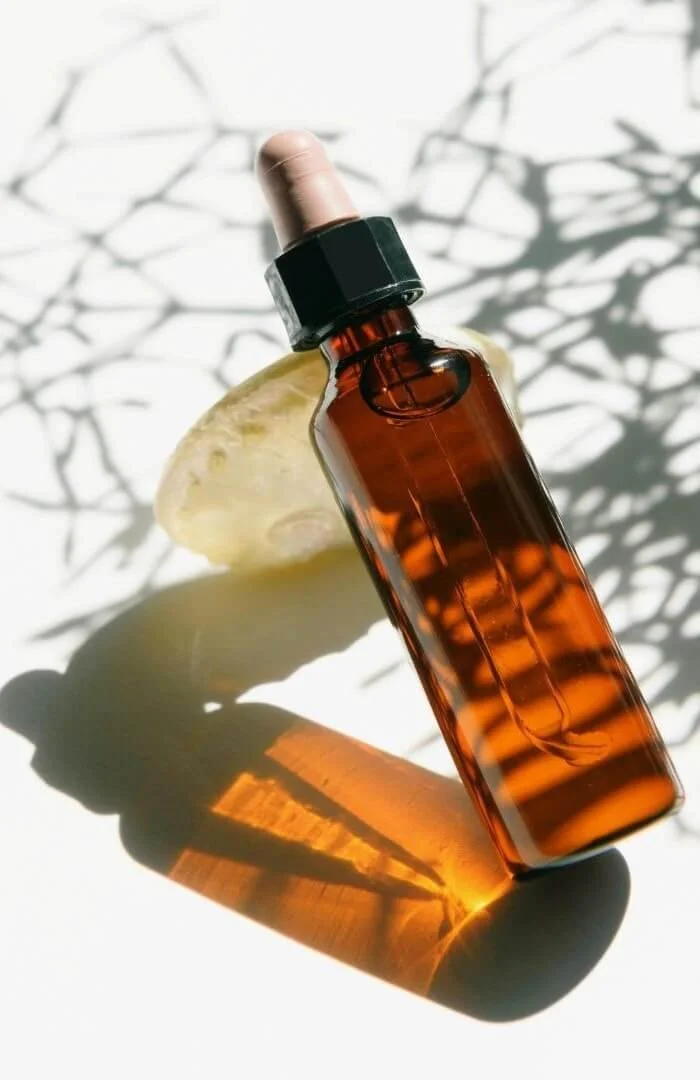
Glycerites Vs. tinctures
Both tinctures and glycerites are valuable tools in herbal wellness.
If you're exploring herbal wellness beyond teas, you've likely encountered the terms "tincture" and "glycerite." Both are concentrated herbal extracts that deliver plant medicine in potent, easy-to-use forms. But what's the difference, and which one is right for you?
For many wellness seekers, particularly those avoiding alcohol, understanding these options is essential. This guide will help you navigate the world of herbal extracts with confidence, so you can make informed choices that align with your health goals and personal preferences.
What Are Herbal Extracts?
Before diving into the differences, let's establish what we mean by "herbal extract."
An herbal extract is a concentrated form of plant medicine created by drawing out (extracting) the beneficial compounds from herbs using a liquid solvent. This process concentrates the active constituents - the beneficial compounds that provide therapeutic effects - into a form that's easier to take and more readily absorbed by your body than dried herbs alone.
Think of it this way: one dropper of a quality herbal extract can deliver the same beneficial compounds as multiple cups of herbal tea, but in seconds rather than the time it takes to brew and sip.
The key difference between various types of extracts lies in what solvent is used to extract those compounds. The two most common are alcohol (creating tinctures) and vegetable glycerin (creating glycerites).
What Are Tinctures?
Tinctures are herbal extracts made using alcohol as the primary solvent. Traditionally, this has been the gold standard for herbal extraction for several important reasons.
How Tinctures Are Made
High-proof alcohol (typically 40-60% or higher) is combined with dried or fresh herbs and left to macerate (soak) for several weeks. During this time, the alcohol draws out a wide range of plant compounds including alkaloids, resins, volatile oils, and other constituents. The mixture is then strained, and the resulting liquid is the tincture - a potent herbal extract that contains the concentrated essence of the plant.
Why Alcohol Works So Well
Alcohol is an exceptional solvent for several reasons:
Broad Spectrum Extraction - Alcohol can extract both water-soluble and alcohol-soluble compounds, giving you a fuller range of the plant's beneficial constituents than water alone could provide.
Preservation - Alcohol is a natural preservative. Tinctures can last for years (typically 3-5 years or longer) without refrigeration when stored properly.
Rapid Absorption - Alcohol facilitates quick absorption into your bloodstream, particularly when taken sublingually (under the tongue). This means faster onset of effects.
Stability - The alcohol stabilizes delicate plant compounds that might otherwise degrade quickly.
The Alcohol Content Reality
A typical dose of tincture (1-2 dropperfuls, or about 2-4 ml) contains approximately the same amount of alcohol as a very ripe banana or a slice of bread - usually less than 0.5 grams. While this is minimal, it's still important for certain people to consider.
Who Should Choose Tinctures
Tinctures are excellent for:
People who have no concerns about minimal alcohol consumption
Those seeking maximum extraction of all plant compounds
Anyone who wants the longest shelf life
People prioritizing rapid absorption and effect
Those working with herbs that extract best in alcohol (like resinous herbs)
Who Should Avoid Tinctures
Tinctures may not be appropriate for:
People in recovery from alcohol addiction (even small amounts can be triggering)
Pregnant or nursing mothers who prefer to avoid all alcohol
Children (though some herbalists consider the small amounts acceptable)
Those with religious or cultural prohibitions against alcohol
People with certain health conditions where alcohol is contraindicated
Anyone who simply prefers to avoid alcohol for personal reasons
What Are Glycerites?
Glycerites are herbal extracts made using vegetable glycerin as the primary solvent instead of alcohol. They're often combined with distilled water to create a glycerin-water solution that effectively extracts plant compounds while remaining completely alcohol-free.
How Glycerites Are Made
Food-grade vegetable glycerin (typically derived from palm, coconut, or soy) is combined with distilled water, usually in a ratio of 60-75% glycerin to 25-40% water. This mixture is combined with herbs and allowed to macerate for several weeks, similar to tincture preparation. The glycerin draws out beneficial plant compounds, creating a sweet-tasting, alcohol-free extract.
Why Glycerin Works
Glycerin might seem like a second-choice substitute for alcohol, but it has unique properties that make it valuable:
Gentle Extraction - Glycerin is a solvent, though generally gentler than alcohol. It extracts many beneficial plant compounds, particularly those that are water-soluble.
Naturally Sweet - Glycerin has a sweet taste, making glycerites much more palatable than alcohol-based tinctures, especially for children or those sensitive to bitter flavors.
Soothing Properties - Glycerin itself has demulcent (soothing) properties, making glycerites particularly nice for throat, digestive, or inflammatory concerns.
Stable and Safe - Glycerin is non-toxic, hypoallergenic, and generally recognized as safe. It won't burn or irritate sensitive tissues.
Preservative Qualities - While not as potent a preservative as alcohol, glycerin does inhibit bacterial growth and extends shelf life considerably (typically 1-2 years when properly stored).
The Glycerin Difference in Extraction
Here's where glycerites differ most significantly from tinctures: glycerin doesn't extract certain compounds as effectively as alcohol does. Specifically:
Resins and oleoresins (like those in propolis or myrrh) extract poorly in glycerin
Some alkaloids extract less completely in glycerin
Essential oils and very volatile compounds may not be fully captured
However, glycerin does an excellent job extracting:
Vitamins and minerals
Tannins
Saponins
Mucilage
Many flavonoids and polyphenols
For many common wellness herbs—like chamomile, lemon balm, valerian, ashwagandha, and most adaptogenic or nervine herbs—glycerin extraction provides excellent results.
Who Should Choose Glycerites
Glycerites are ideal for:
Anyone avoiding alcohol for any reason
Children and adolescents
Pregnant and nursing mothers
People in recovery from addiction
Those who find tinctures too harsh or burning
Anyone who dislikes the taste of alcohol-based preparations
People working with herbs that don't require alcohol for optimal extraction
Those who want a naturally sweet preparation without added sugar
Who Might Prefer Tinctures Instead
You might choose tinctures over glycerites if:
You're working with resinous herbs that extract best in alcohol
You want maximum potency and the fullest spectrum of plant compounds
You need the longest possible shelf life (3-5+ years)
You prefer the faster absorption rate of alcohol-based extracts
You have no concerns about minimal alcohol content
Direct Comparison: Glycerites vs Tinctures
Let's break down the key differences side by side:
Extraction Power
Tinctures: Extract both water-soluble and alcohol-soluble compounds; broader spectrum Glycerites: Extract primarily water-soluble compounds; slightly narrower spectrum but sufficient for most herbs
Taste
Tinctures: Bitter, burning, alcohol-forward - many people find them unpleasant Glycerites: Naturally sweet, smooth, pleasant—much more palatable
Absorption Speed
Tinctures: Very rapid, especially sublingually Glycerites: Slightly slower but still quite effective, especially sublingually
Shelf Life
Tinctures: 3-5+ years when properly stored Glycerites: 1-2 years when properly stored (refrigeration extends this)
Suitability for Children
Tinctures: Debated; some herbalists use them for children in small amounts, others avoid Glycerites: Generally considered safe and preferable for children
Pregnancy/Nursing Safety
Tinctures: Many prefer to avoid; consult healthcare provider Glycerites: Generally considered safer choice; still consult healthcare provider
Cost
Tinctures: Often slightly less expensive (alcohol is cheaper than quality glycerin) Glycerites: May be slightly more expensive, but comparable
Calories
Tinctures: Negligible calories from alcohol Glycerites: Slightly higher calorie content (glycerin has 4.3 calories per gram)
Best Herb Extraction
Tinctures: Excellent for all herbs, essential for resinous herbs Glycerites: Excellent for most herbs; less ideal for resinous herbs or those with primarily alcohol-soluble compounds
Common Misconceptions About Glycerites
Let's address some myths that circulate about glycerites:
Myth #1: Glycerites aren't as effective as tinctures. Reality: For the vast majority of herbs commonly used in wellness—adaptogens, nervines, nutritive herbs, most flowers and leaves—glycerites provide excellent extraction and effectiveness. The difference in potency is minimal for most applications.
Myth #2: Glycerites are just for kids. Reality: While glycerites are great for children due to their sweet taste and lack of alcohol, they're equally appropriate and effective for adults. Many adults prefer glycerites for taste, personal values, or health reasons.
Myth #3: Vegetable glycerin is unhealthy. Reality: Food-grade vegetable glycerin is recognized as safe by regulatory bodies worldwide. While it does contain calories and can affect blood sugar (like any carbohydrate), the amounts used in typical glycerite doses are quite small.
Myth #4: You can't make potent extracts without alcohol. Reality: While alcohol extraction is broader-spectrum, glycerin creates potent, effective extracts for most herbs. The KayB Wellness glycerite formulations are carefully crafted to maximize extraction and effectiveness.
Myth #5: Glycerites don't last as long and go bad quickly. Reality: Properly made and stored glycerites last 1-2 years easily, and refrigeration can extend this further. This is more than sufficient for most users.
How to Choose: A Decision Framework
Still uncertain which is right for you? Work through these questions:
Question 1: Do you have any reason to avoid alcohol? If yes (pregnancy, nursing, recovery, children, personal/religious reasons, health conditions), choose glycerites. If no, continue.
Question 2: Are you working with resinous herbs or those known to require alcohol extraction? If yes, choose tinctures. If no or unsure, continue.
Question 3: Do you strongly dislike the taste of alcohol? If yes, glycerites will be much more pleasant. If taste doesn't matter to you, continue.
Question 4: Do you want the absolute longest shelf life possible? If yes, tinctures offer 3-5+ years. If 1-2 years is sufficient, glycerites work well.
Question 5: Are you prioritizing maximum bioavailability and fastest absorption? If this is crucial, tinctures have a slight edge. For most purposes, glycerites absorb well.
For most people working with common wellness herbs - adaptogens like ashwagandha, nervines like valerian and passion flower, cognitive supporters like rosemary and holy basil - glycerites provide excellent results without the concerns that come with alcohol.
Using Glycerites Effectively
To get the most from your glycerites:
Sublingual Administration - Place the dropper dose under your tongue and hold for 30-60 seconds before swallowing. This allows some absorption directly into your bloodstream through the mucous membranes, providing faster effects.
Dosage Consistency - Take your glycerite at the same time(s) each day for herbs that work cumulatively (adaptogens, nervines). This builds and maintains therapeutic levels in your system.
Mix with Liquids if Preferred - While sublingual is most effective, you can add glycerites to water, tea, or juice if you prefer. The absorption will be slightly slower but still effective.
Start Low, Go Slow - Begin with the recommended dose (typically 1-2 dropperfuls) and notice how you respond before increasing. Individual responses vary.
Temperature Matters - Never add glycerites to very hot liquids, as heat can degrade some beneficial compounds. Let your tea cool slightly or use room temperature water.
Storage for Longevity - Store in a cool, dark place. Refrigeration isn't necessary but can extend shelf life. Always use clean droppers to prevent contamination.
The KayB Wellness Approach to Glycerites
At KayB Wellness, we've chosen to focus on glycerites for several important reasons:
Inclusivity - Our glycerites can be used by virtually everyone, regardless of age, pregnancy status, or relationship with alcohol.
Quality Over Convention - We don't make glycerites because they're easier or cheaper (they're neither). We make them because they align with our values of accessible, inclusive wellness.
Optimal Herb Selection - We specifically formulate with herbs that extract beautifully in glycerin, ensuring you receive potent, effective products.
Taste Matters - Wellness practices you actually enjoy are the ones you'll maintain. Our glycerites taste good, making your daily ritual something to look forward to.
Thoughtful Formulation - Each KayB Wellness glycerite is formulated with extraction ratios and herb combinations designed to maximize the benefits of glycerin-based extraction.
Real-World Applications: When to Use Each
Let's look at practical scenarios:
Scenario 1: Daily Stress Management
Best Choice: Glycerite (like Rooted Ashwagandha Glycerite) Why: You'll be taking this daily, possibly multiple times. The sweet taste makes it pleasant, there's no alcohol concern for ongoing use, and ashwagandha extracts excellently in glycerin.
Scenario 2: Sleep Support
Best Choice: Glycerite (like Do-Si-Doze Sleep Glycerite) Why: Valerian, passion flower, and chamomile all extract well in glycerin. The sweet taste is nice before bed, and there's no alcohol to potentially interfere with sleep quality.
Scenario 3: Cognitive Support
Best Choice: Glycerite (like Mind Garden Glycerite) Why: The herbs in cognitive blends (rosemary, holy basil, green tea) work beautifully in glycerin extraction. You want something you can take during work without any alcohol content.
Scenario 4: Immune Support with Propolis or Resinous Herbs
Best Choice: Tincture Why: Propolis and resins require alcohol for optimal extraction. If you need these specific herbs and can tolerate alcohol, tinctures are superior.
Scenario 5: Children's Wellness
Best Choice: Glycerite Why: The sweet taste makes administration easy, there's no alcohol concern, and most herbs used for children extract well in glycerin.
Scenario 6: Pregnancy Support
Best Choice: Glycerite (after consulting healthcare provider) Why: Most practitioners prefer alcohol-free preparations during pregnancy. Always check with your provider about specific herbs.
The Bottom Line
Both tinctures and glycerites are valuable tools in herbal wellness. Tinctures offer broader-spectrum extraction, longer shelf life, and faster absorption. Glycerites offer alcohol-free preparation, pleasant taste, inclusive use, and excellent extraction for most common wellness herbs.
For the majority of people seeking herbal support for stress, sleep, cognitive function, immune health, and general wellness - particularly those who prefer or need to avoid alcohol - glycerites provide an effective, accessible, and enjoyable option.
At KayB Wellness, our glycerite collection represents our commitment to making powerful herbal wellness available to everyone, regardless of age, life stage, or personal values around alcohol. Each glycerite is crafted with the same care and attention to quality that defines all our products.
Whether you choose glycerites, tinctures, or both depending on your needs, you're choosing concentrated herbal support that can complement your tea ritual and enhance your overall wellness journey.
Your Next Steps
Ready to experience the benefits of alcohol-free herbal extracts? Explore the KayB Wellness glycerite collection:
For stress and emotional resilience: Rooted Ashwagandha Glycerite
For deep, natural sleep: Do-Si-Doze Sleep Glycerite
For mental clarity and focus: Mind Garden Glycerite
Each glycerite represents a thoughtful approach to herbal wellness - potent, pure, and perfectly suited to modern life.
Have questions about which glycerite is right for you? Here’s another article featuring our most popular glycerites and their benefits!
“The Complete Guide to Glycerites and Wellness Oils: Benefits and Uses”
References:
Wikipedia contributors. (2024, April 30). Tincture. Wikipedia. https://en.wikipedia.org/wiki/Tincture
Wikipedia contributors. (2021, August 31). Glycerite. Wikipedia. https://en.wikipedia.org/wiki/Glycerite
This article was created in collaboration with Claude AI.
