
Honey vs Sugar: The Tea Lover's Guide to Sweetening Your Cup
For tea lovers, the ritual of brewing a perfect cup extends beyond selecting quality leaves and proper steeping time. One of the most debated questions in the tea community is deceptively simple: should you sweeten your tea with honey or sugar - or not at all?
This isn't just about taste. The choice of sweetener affects your tea's flavor profile, nutritional value, and how it impacts your body. For wellness-conscious tea drinkers, understanding these differences helps you make choices aligned with both your palate and your health goals.
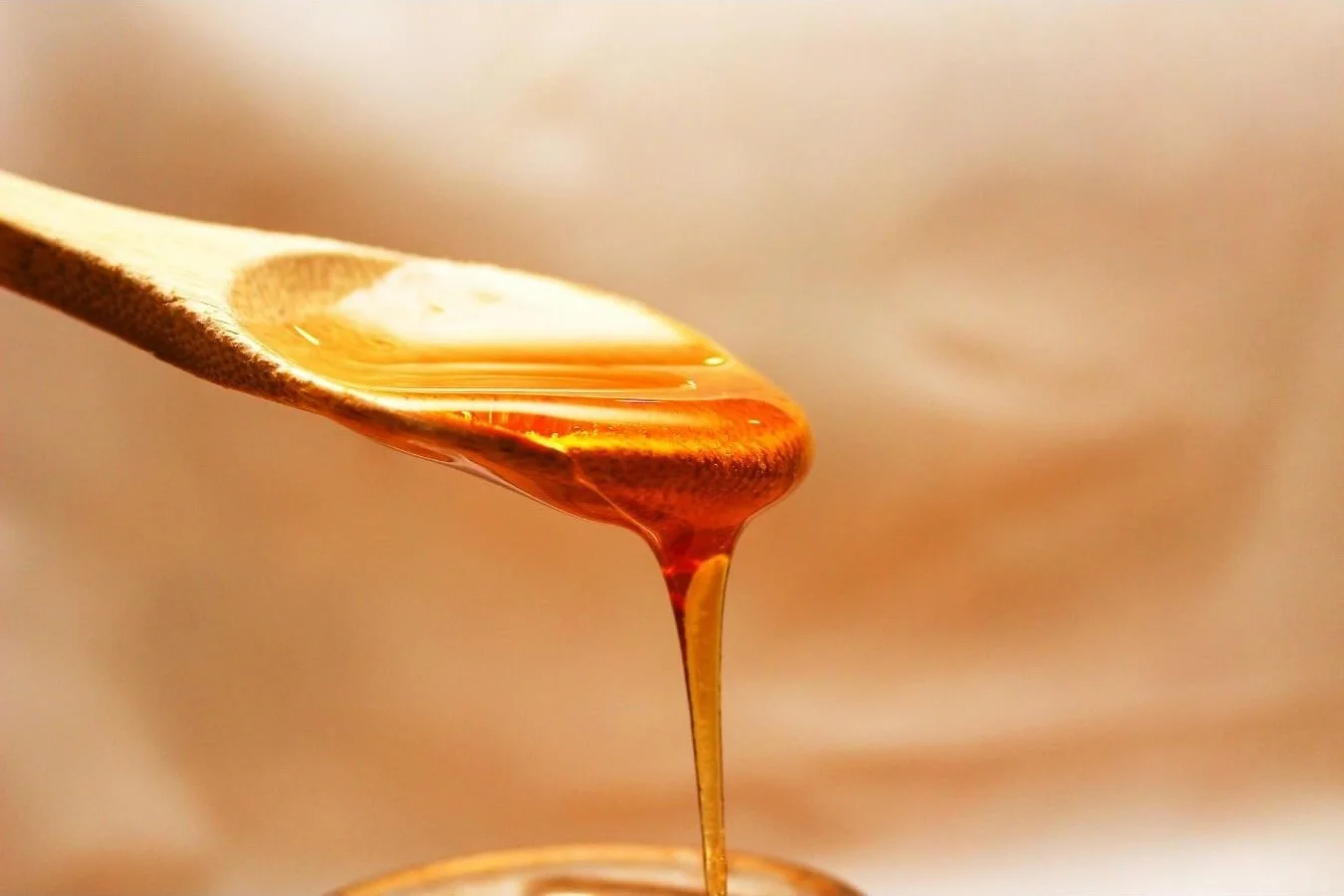
Honey
Honey is a complex, nutritious whole food that complements many teas.
Understanding the Basics: What Are You Really Adding?
Before comparing honey and sugar, it's worth understanding what each actually is.
White Sugar is refined sucrose extracted from sugar cane or sugar beets. Through processing, all vitamins, minerals, and natural compounds are removed, leaving pure carbohydrate. It's essentially empty calories - energy without nutrition.
Honey is a natural sweetener created by bees from flower nectar. Unlike refined sugar, honey contains trace amounts of vitamins, minerals, enzymes, antioxidants, and beneficial compounds. It's a whole food that's been used medicinally for thousands of years.
This fundamental difference - processed versus natural - is the foundation of everything else we'll explore.
Nutritional Comparison: Beyond Just Calories
Let's look at what you're actually getting per tablespoon:
White Sugar (1 tablespoon)
49 calories
12.6g carbohydrates
12.6g sugars
0g fiber, protein, vitamins, or minerals
No antioxidants
Glycemic index: 65
Honey (1 tablespoon)
64 calories
17.3g carbohydrates
17.2g sugars
Trace amounts of vitamins (B vitamins, vitamin C)
Trace minerals (calcium, iron, magnesium, phosphorus, potassium, zinc)
Antioxidants and enzymes
Small amounts of amino acids
Glycemic index: 58 (varies by type)
Yes, honey has more calories per tablespoon, but it's also significantly sweeter than sugar, meaning you typically use less of it to achieve the same level of sweetness. The additional calories come packaged with actual nutrition - something sugar can't claim.
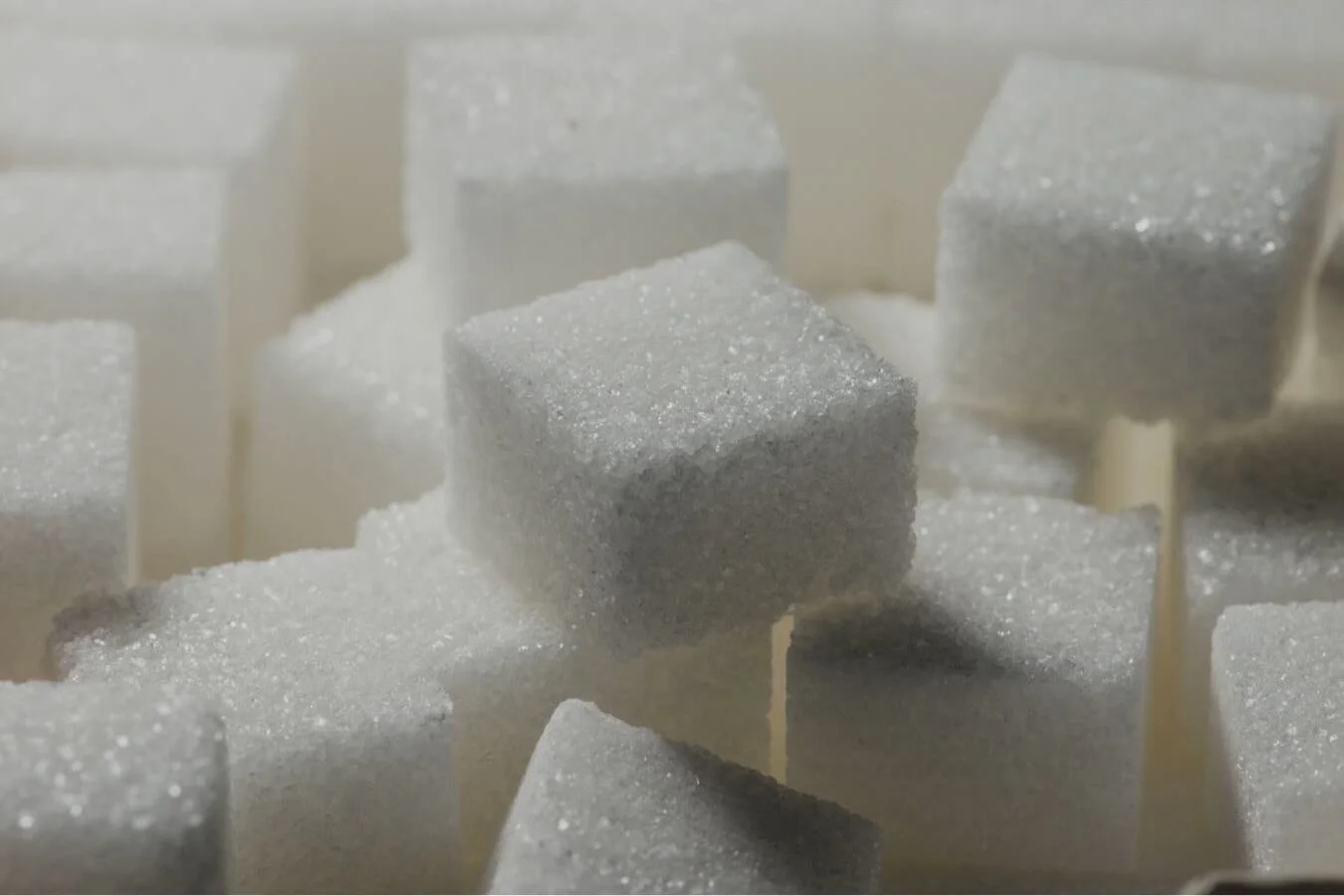
Sugar
Sugar causes a rapid spike in blood glucose followed by a crash.
How Each Affects Your Tea's Flavor
For tea enthusiasts, flavor matters as much as nutrition. Honey and sugar interact very differently with tea.
Sugar's Impact on Flavor
Sugar adds one-dimensional sweetness. It doesn't complement or enhance tea's natural complexity - it simply masks bitterness and adds sweet notes. With delicate teas like white or green tea, sugar can completely overwhelm subtle flavors. With robust teas like black or herbal blends, it creates a straightforward sweet tea taste.
Sugar dissolves cleanly and completely, leaving no aftertaste beyond sweetness. Some tea purists appreciate this neutrality, as it sweetens without adding competing flavors.
Honey's Impact on Flavor
Honey brings complexity. Depending on the floral source, honey can add notes of:
Floral and delicate (clover, orange blossom)
Rich and robust (buckwheat, chestnut)
Fruity and bright (wildflower, berry blossom)
Earthy and deep (forest, heather)
This complexity can beautifully complement your tea - or clash if poorly matched. A delicate green tea might be overwhelmed by robust buckwheat honey, while a strong herbal blend might be enhanced by it.
Honey also adds texture and mouthfeel. It creates a slightly thicker, more coating sensation than sugar, which some people love and others find distracting.
The Wellness Perspective: How Each Affects Your Body
For health-conscious tea drinkers, understanding how these sweeteners impact your body is crucial.
Blood Sugar and Energy
Both honey and sugar raise blood glucose, but they do so differently:
Sugar causes a rapid spike in blood glucose followed by a crash. This creates the familiar energy rollercoaster - quick energy followed by fatigue, often triggering cravings for more sugar. For tea drinkers who enjoy multiple cups daily, this cycle can repeat throughout the day.
Honey has a lower glycemic index and contains a mix of glucose and fructose, creating a more gradual rise in blood sugar. The presence of trace nutrients and enzymes may also slow absorption. While honey still affects blood sugar, the impact is gentler and more sustained.
For people managing blood sugar issues or simply wanting to avoid energy crashes, honey offers a meaningful advantage.
Digestive Considerations
Sugar provides no digestive benefits and may even contribute to digestive discomfort in sensitive individuals, particularly when consumed in larger amounts.
Honey contains enzymes and prebiotics that may support digestive health. Raw honey, in particular, contains beneficial bacteria and compounds that can support gut health. Many people who experience digestive sensitivity with sugar find honey easier to tolerate.
When you're enjoying digestive herbal teas like ginger, peppermint, or chamomile, honey complements the digestive-supporting properties rather than working against them.
Antioxidant Benefits
Tea is already rich in antioxidants - that's part of why we love it. But how does your sweetener choice affect this?
Sugar provides zero antioxidants. In fact, some research suggests high sugar intake may increase oxidative stress in the body, potentially counteracting some of tea's antioxidant benefits.
Honey contains its own antioxidants, particularly darker varieties like buckwheat or forest honey. While the amounts are modest, you're adding to your tea's antioxidant profile rather than potentially diminishing it.
Immune Support
Sugar offers no immune benefits and may temporarily suppress immune function when consumed in high amounts - not ideal if you're drinking immune-supporting teas like elderberry or echinacea blends.
Honey has been used traditionally for immune support for good reason. It contains antimicrobial compounds, supports throat health, and may help your body fight off seasonal challenges. Raw, local honey may even help with seasonal sensitivities.
When you're drinking immune-supportive herbal teas, honey amplifies rather than contradicts your intentions.
Practical Guide: Matching Sweeteners to Your Tea
Not all teas need sweetening, and not all sweeteners suit all teas. Here's a practical guide for tea lovers:
Teas Best Left Unsweetened
These teas shine brightest without any sweetener:
High-quality white teas (their subtle sweetness needs no enhancement)
Premium green teas (sweetness overwhelms delicate flavors)
Oolong teas (their natural complexity is the point)
High-end loose leaf black teas (appreciate their inherent character first)
Teas That Pair Well with Sugar
If you prefer sugar, consider it for:
Iced black tea (classic sweet tea tradition)
Basic breakfast black teas
When you want straightforward sweetness without flavor complexity
Teas That Shine with Honey
Honey particularly complements:
Ginger tea (honey soothes while ginger warms). We have Dawning and Invigorate with the ginger appeal.
Chamomile (honey enhances chamomile's natural sweetness). Head to our Relaxation Teas page or Just - Herbal Teas page to experience the sweet taste of Chamomile.
Lemon balm or lemon-based blends (honey and lemon is classic). Lemon balm is in most of our wellness teas, explore away!
Turmeric blends (honey balances earthy notes). Our turmeric blends include Dawning, Invigorate, Uplift, and Willow.
Throat-soothing teas (honey adds its own soothing properties)
Mint teas (honey's floral notes complement mint's brightness). Take a look at our Peppermint Tea, you’ll be delighted!
Hibiscus or tart herbal blends (honey balances tartness beautifully). Number 22 is a wonderful hibiscus to try for relaxation and/or sleep.
Honey Type Matching Guide
Light, Mild Honeys (clover, acacia, orange blossom)
Best for: Delicate herbal teas, green teas (if sweetening), white teas (if sweetening)
Why: Won't overwhelm subtle flavors
Medium, Floral Honeys (wildflower, alfalfa)
Best for: Most herbal blends, lighter black teas, chai
Why: Versatile, complement without overwhelming
Dark, Robust Honeys (buckwheat, chestnut, forest)
Best for: Strong black teas, spicy herbal blends, ginger-heavy teas
Why: Stand up to bold flavors and add depth
Manuka Honey
Best for: Immune-supporting teas, throat-soothing blends
Why: Exceptional wellness properties, though expensive
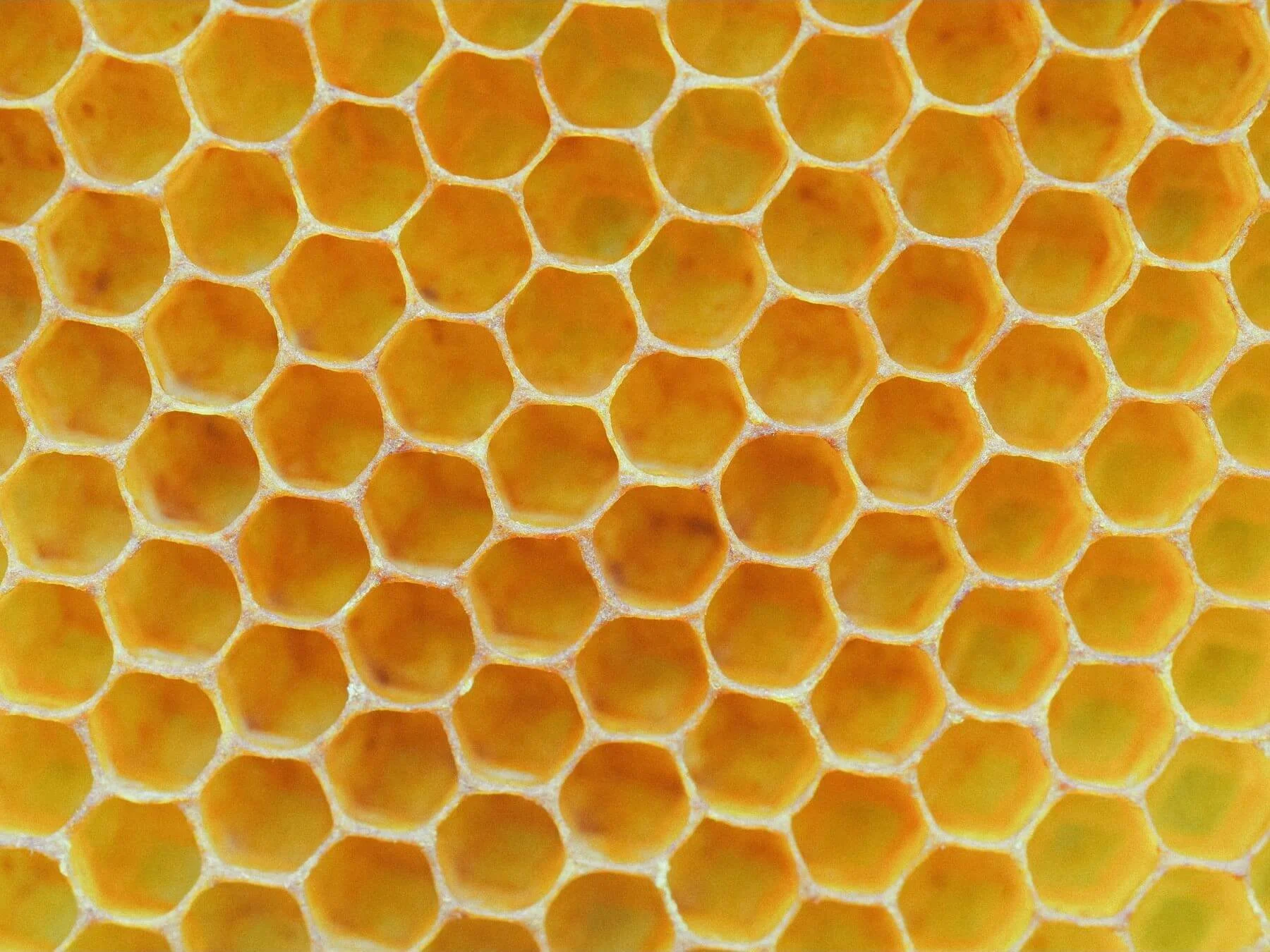
Raw Honeycomb
Raw honey is unpasteurized and unprocessed, meaning it retains maximum enzymes, antioxidants, and beneficial compounds.
The Case for Raw Honey
If you choose honey, raw and unfiltered varieties offer the most benefits:
Raw honey is unpasteurized and unprocessed, meaning it retains maximum enzymes, antioxidants, and beneficial compounds. It may contain small amounts of pollen (potentially helpful for seasonal sensitivities), propolis (antimicrobial), and live beneficial bacteria.
Regular honey is pasteurized (heated) to prevent crystallization and extend shelf life. This process destroys many of the enzymes and beneficial compounds that make honey more than just a sweetener.
For tea drinkers focused on wellness, raw honey is worth the extra cost. Just remember: never add honey to boiling water, as high heat destroys its beneficial properties. Let your tea cool slightly (below 110°F) before adding honey.
How Much Should You Use?
Whether you choose honey or sugar, quantity matters.
Starting Points:
Begin with 1/2 teaspoon and adjust
Remember: honey is sweeter than sugar, so you need less
Your taste buds adapt—less sweetener over time often tastes perfectly satisfying
The Reduction Strategy
If you currently use a tablespoon of sugar in your tea and want to transition to less or to honey:
Week 1-2: Reduce current sweetener by 1/4 (if using 1 tablespoon sugar, use 3/4 tablespoon)
Week 3-4: Reduce by another 1/4 (now at 1/2 tablespoon)
Week 5-6: If transitioning to honey, switch now using 1/2 tablespoon (less than your original sugar amount)
Week 7+: Consider if you can reduce further or enjoy your current level
Your palate adapts remarkably. What tastes "not sweet enough" today will taste perfectly balanced in a few weeks.
The Third Option: Going Unsweetened
For many tea enthusiasts, the journey leads to enjoying tea without any sweetener. Here's why:
You taste the actual tea - Subtle floral notes, natural sweetness, complexity of flavor - all become apparent when sweetness doesn't dominate.
Different teas reveal themselves - A tea that seems bitter with no sweetener might simply be over-steeped or too hot. Proper brewing often eliminates the need for sweetening.
Your palate becomes more sensitive - After a few weeks without added sweetness, you'll taste natural sweetness in teas you never noticed before.
Simplicity and purity - There's something satisfying about tea as just tea - leaves and water, nothing more.
If you're curious about this path, start with naturally sweet teas: rooibos, licorice root blends, cinnamon-heavy chais, or fruit-forward herbals. These ease the transition.
Special Considerations for Specific Goals
For Weight Management - Consider going unsweetened or using minimal honey (1/2 teaspoon). The calories from multiple sweetened cups daily add up quickly. If sweetness is non-negotiable, honey's slight blood sugar advantage and higher sweetness-per-calorie make it the better choice.
For Blood Sugar Management - Choose honey over sugar if sweetening, but keep amounts minimal. Better yet, embrace unsweetened tea or explore naturally sweet herbal options that need no enhancement.
For Gut Health - Raw honey supports digestive wellness while sugar doesn't. Pair honey with digestive herbal teas for complementary benefits.
For Immune Support - When drinking immune-supporting tea blends, raw honey amplifies your intentions while sugar contradicts them.
For Pure Tea Appreciation - Go unsweetened to fully experience your tea's character, especially with high-quality or complex teas.
Making Your Choice
There's no universal "right" answer. The best sweetener for your tea depends on:
Your wellness priorities
The specific tea you're drinking
Your taste preferences
Your health situation
Whether you're drinking for pleasure, wellness, or both
That said, for most wellness-conscious tea drinkers, raw honey offers more benefits than refined sugar. It provides nutrition, supports your health goals, adds flavor complexity, and complements rather than contradicts the wellness properties of herbal teas.
If you currently use sugar and want to make a change, try this approach:
Experiment with one cup of tea sweetened with honey instead of sugar
Notice the difference in taste, how you feel afterward, and your satisfaction level
Adjust the type and amount of honey based on your tea
Evaluate after two weeks whether you prefer the switch
The Bottom Line for Tea Lovers
Sugar is a one-dimensional sweetener that adds calories without nutrition, spikes blood sugar, and can mask your tea's natural flavors.
Honey is a complex, nutritious whole food that complements many teas, offers genuine wellness benefits, and adds flavor dimension rather than just sweetness.
But the best option might be neither - or using far less than you think you need.
As tea drinkers focused on wellness, we have the opportunity to make intentional choices about every aspect of our tea ritual. Your sweetener choice is part of that intention. Whether you choose honey, sugar, or nothing at all, let it be a conscious decision aligned with your values, your palate, and your wellness journey.
Your perfect cup of tea awaits - sweet or not.
Related Posts:
“The Complete Guide to Glycerites and Wellness Oils: Benefits and Uses”
“How to Choose the Right Herbal Tea Blend for Your Wellness Goals”
“Why Your Body Craves Different Herbs at Different Times of Day”
References:
Mbbs, K. K. (2021, July 9). What are the medicinal uses of honey? MedicineNet. https://www.medicinenet.com/what_are_the_medicinal_uses_of_honey/article.htm
Mph, C. M. R. (2025, July 16). Is raw honey good for you? Verywell Health. https://www.verywellhealth.com/raw-honey-8417387
Hyman, M. (2025, October 16). Why are foods called empty calories? CalorieHealthy.com. https://caloriehealthy.com/why-are-foods-called-empty-calories.html
https://pmc.ncbi.nlm.nih.gov/articles/PMC9367972/
Mph, C. M. R. (2025b, July 16). Is raw honey good for you? Verywell Health. https://www.verywellhealth.com/raw-honey-8417387
This article was created in collaboration with Claude AI.
