
Your Complete Guide to Herbal Teas for Wellness: Natural Solutions for Sleep, Stress, and Digestion
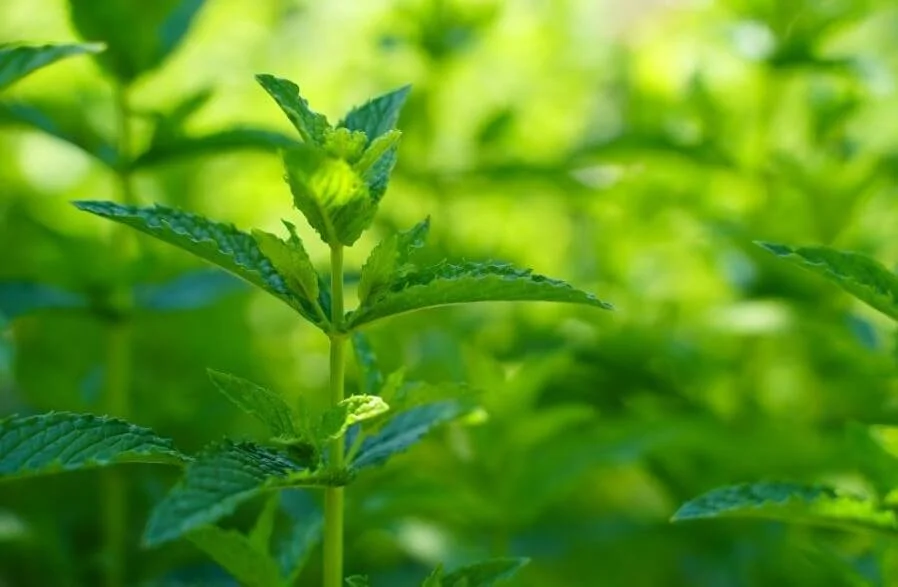
Lemon Balm
Lemon balm contains compounds that increase GABA activity and improve mood.
We've all been there-lying awake at 2 AM with racing thoughts, feeling our stomach twist after a stressful day, or reaching for that fourth cup of coffee just to push through the afternoon slump. In our fast-paced modern world, these common health challenges have become almost normalized. But what if the solution to better sleep, reduced stress, and improved digestion was sitting in your kitchen cabinet?
Herbal teas for wellness have been used for thousands of years across cultures, from ancient Chinese medicine to European folk remedies. Today, science is catching up with tradition, revealing that these natural infusions offer more than just comfort-they deliver real, measurable benefits for some of our most persistent health concerns. Unlike pharmaceutical solutions that often come with side effects, herbal teas work gently with your body's natural systems to restore balance and promote healing.
In this comprehensive guide, we'll explore how specific herbal teas can transform your approach to three of the most common wellness challenges: sleepless nights, chronic stress, and digestive discomfort. You'll discover evidence-based remedies, practical brewing tips, and actionable strategies to incorporate these powerful plants into your daily routine.
Understanding the Power of Herbal Teas for Wellness
Before diving into specific solutions, it's important to understand what makes herbal teas such effective wellness tools. Unlike true tea (which comes from the Camellia sinensis plant), herbal teas are infusions of herbs, flowers, roots, and spices. Each plant contains unique compounds-flavonoids, essential oils, tannins, and other phytonutrients—that interact with your body in beneficial ways.
The beauty of herbal teas for wellness lies in their gentleness and accessibility. When you sip a carefully chosen blend, you're not just hydrating; you're delivering therapeutic compounds directly to your bloodstream through digestion and even through aromatic molecules that affect your nervous system. The ritual itself-the warmth of the cup, the intentional pause, the mindful sipping - amplifies the healing effects.
What sets herbal remedies apart is their holistic approach. Rather than masking symptoms, they address root causes by supporting your body's natural functions. A sleep-promoting tea doesn't just make you drowsy; it helps regulate your nervous system. A digestive blend doesn't just calm an upset stomach; it supports healthy gut function over time.
Natural Solutions for Better Sleep
The Sleep Crisis and Herbal Interventions
Sleep deprivation affects nearly one-third of adults, contributing to everything from weight gain to cognitive decline. While sleeping pills offer a quick fix, they often come with morning grogginess, dependency risks, and disrupted sleep architecture. Herbal teas for wellness provide a gentler alternative that works with your body's natural sleep-wake cycle.
Chamomile: The Classic Sleep Aid
Chamomile has earned its reputation as nature's sedative. This daisy-like flower contains apigenin, a compound that binds to specific receptors
in your brain, producing calming effects similar to anti-anxiety medications but without the side effects. Studies show that chamomile tea can
improve sleep quality and reduce the time it takes to fall asleep.
Actionable Tip:
Brew chamomile tea with water at 200°F for 5-7 minutes, 30-45 minutes before bed. Add a small amountof honey to enhance the relaxation
response—honey helps transport tryptophan to the brain, further promoting sleep.
Valerian Root: For Chronic Insomnia
If chamomile feels too gentle for your sleep struggles, valerian root offers more potent effects. This herb increases GABA (gamma-aminobutyric
acid) in the brain, the neuro-transmitter responsible for calming neural activity. Valerian is particularly effective for people who struggle with
racing thoughts at bedtime.
Actionable Tip:
Valerian has a strong, earthy flavor that some find unpleasant. Blend it with peppermint or lemon balm toimprove taste while adding complementary calming properties. Steep for 10 minutes in boiling water, and be patient—valerian works best when used consistently for 2-4
weeks.
Passionflower and Lavender: The Anxiety-Sleep Connection
When stress and anxiety prevent sleep, passion flower and lavender create a powerful combination. Passion flower has been shown to increase
GABA levels and reduce anxiety-related insomnia, while lavender's aromatic compounds directly affect the limbic system, promoting relaxation.
Actionable Tip:
Create a bedtime ritual by drinking a passion flower-lavender blend while practicing deep breathing exercises. The combined sensory experience
-taste, aroma, and breathwork—signals your body that it's time to wind down.
Managing Stress Naturally with Herbal Teas
Understanding Stress and the Adaptogenic Response
Chronic stress wreaks havoc on every system in your body, from your immune function to your digestive health. Herbal teasfor wellness, particularly those containing adaptogens, help your body adapt to stress rather than simply suppressing symptoms. These remarkable plants normalize your stress response, whether you're over-activated or depleted.
Holy Basil (Tulsi): The Queen of Stress Relief
Holy basil, or tulsi, is revered in Ayurvedic medicine as a powerful adaptogen. Research demonstrates that tulsi reduces cortisol levels, protects against stress-induced damage, and improves mental clarity. Unlike caffeine-based solutions that create a stress response, tulsi actually
modulates your body's reaction to stressors.
Actionable Tip:
Drink tulsi tea during your most stressful part of the day—for many people, this is mid-afternoon. Brew it strong (2 teaspoons per cup) and steep
for 7-10 minutes to extract maximum benefits. The slightly spicy, clove-like flavor is energizing without being stimulating.
Ashwagandha Tea: For Burnout and Exhaustion
When stress has left you feeling depleted rather than wired, ashwagandha offers restoration. This ancient adaptogen reduces anxiety, improves
energy levels, and supports healthy cortisol rhythms. It's particularly beneficial for people experiencing burnout or chronic fatigue.
Actionable Tip:
Ashwagandha has an earthy, slightly bitter taste. Mix the powder with warm milk (dairy or plant-based),cinnamon, and a touch of honey for a comforting nighttime beverage. Take it consistently for at least 8 weeks to experience full benefits.
Lemon Balm and Chamomile: For Stress-Related Tension
This classic combination addresses both the mental and physical manifestations of stress. Lemon balm contains compounds that increase GABA activity and improve mood, while chamomile relaxes tense muscles and calms digestive upset triggered by stress.
Actionable Tip:
Keep a thermos of lemon balm and chamomile tea at your desk. Sip it throughout stressful workdays, taking mindful three-minute breaks to
pause and breathe. This regular micro-dosing approach maintains steady stress relief throughout the day.
Soothing Digestive Discomfort
The Gut-Wellness Connection
Your digestive system does far more than process food-it houses 70% of your immune system and produces neuro-transmitters that affect mood and cognition. Digestive distress is often your body's way of signaling imbalance. Herbal teas for wellness offer targeted support for various digestive complaints without disrupting your gut microbiome.
Peppermint: The Digestive All-Star
Peppermint tea is perhaps the most well-researched herbal remedy for digestive issues. The menthol in peppermint relaxes the smooth muscles
of your digestive tract, relieving cramping, bloating, and IBS symptoms. It's especially effective for stress-related digestive upset.
Actionable Tip:
Drink peppermint tea 20 minutes before meals to prevent digestive discomfort, or after meals to ease existing symptoms. Use fresh peppermint
when possible-muddle 8-10 leaves in your cup before adding hot water to release more essential oils.
Ginger: For Nausea and Inflammation
Ginger's powerful anti-inflammatory compounds, gingerols and shogaols, make it invaluable for various digestive complaints-from morning sickness to motion sickness to inflammatory gut conditions. Ginger also stimulates digestive enzyme production and promotes healthy gut
motility.
Actionable Tip:
For maximum potency, use fresh ginger root. Slice 3-4 thin rounds of fresh ginger (about a tablespoon) and simmer in water for 10-15 minutes.
Add lemon and raw honey after it cools slightly. Drink 30 minutes before travel or whenever nausea strikes.
Fennel Seed: For Bloating and Gas
Fennel seeds have been used across Mediterranean and Asian cultures for digestive comfort. These tiny seeds contain compounds that relax
intestinal muscles, reduce gas production, and even have mild antimicrobial properties that support healthy gut flora balance.
Actionable Tip:
Lightly crush 1 teaspoon of fennel seeds to release their oils, then steep in boiling water for 10 minutes. Drink after heavy meals or whenever you feel bloated. You can also chew a small handful of dry-roasted fennel seeds for quick relief.
Chamomile and Licorice Root: For Gut Inflammation
When digestive issues involve inflammation-such as gastritis, acid reflux, or inflammatory bowel conditions-combining chamomile's anti-
inflammatory properties with licorice root's gut-healing compounds creates powerful relief. Licorice rootcontains glycyrrhizin, which protects and
soothes the mucosal lining of your digestive tract.
Actionable Tip:
Steep equal parts chamomile flowers and licorice root for 15 minutes. Drink 2-3 cups daily between meals for ongoing gut healing. Note: Avoid
licorice root if you have high blood pressure, and limit use to 4-6 weeks at a time.
Creating Your Personal Herbal Tea Wellness Routine
Building Consistency for Maximum Benefits
The key to experiencing the full benefits of herbal teas for wellness is consistency. Unlike pharmaceutical interventions that work immediately, herbal remedies build effects over time as they support your body's natural healing processes. Think of them as daily investments in your long-term health rather than quick fixes.
Morning Ritual: Set Intentions for the Day
Start your day with an energizing yet calming blend. Try combining tulsi with ginger for mental clarity and digestive preparation. This morning practice signals your body that you're supporting it throughout the day's challenges.
Afternoon Reset: Combat the Slump
Instead of reaching for more caffeine, which can interfere with sleep and increase stress, transition to adaptogenic herbal teas in the afternoon. A blend of holy basil, peppermint, and lemon balm provides gentle energy while managing stress.
Evening Wind-Down: Prepare for Restorative Sleep
Create a non-negotiable evening tea ritual at least one hour before bed. Alternate between different calming blends-chamomile one night, valerian the next, passionflower on weekends-to prevent tolerance and keep the practice interesting.
Actionable Tip:
Use a dedicated tea pot or mug for your wellness practice. The consistent visual and tactile cues strengthen the mind-body connection, making your tea ritual more effective over time.
Quality Matters: Choosing the Right Herbs
Not all herbal teas are created equal. The quality of your herbs directly impacts their therapeutic effects. Look for organic, whole-leaf or whole-flower teas rather than powdered tea bags, which often contain lower-quality material. Fresh herbs, when available, offer even greater potency.
Actionable Tip:
Source herbs from reputable suppliers who provide transparency about growing practices and testing. Store dried herbs in airtight containers away from light and heat to preserve their therapeutic compounds. Replace them every 6-12 months for maximum potency.
Conclusion: Your Path to Natural Wellness
The journey to better health doesn't require dramatic interventions or expensive supplements. Often, the most powerful solutions are the simplest-plant medicines that humans have trusted for millennia, now validated by modern science. Herbal teas for wellness offer you a practical, enjoyable way to address common health concerns while developing a deeper connection with your body's needs.
Whether you're struggling with restless nights, feeling overwhelmed by stress, or dealing with digestive discomfort, the right herbal tea can be a game-changer. The strategies and recipes outlined in this guide provide you with evidence-based starting points, but remember that everyone's body is unique. Pay attention to how different herbs affect you, adjust dosages and combinations as needed, and give your body time to respond.
Ready to transform your wellness routine with the power of herbal teas?
Start small-choose one health concern to address and commit to a consistent tea ritual for 30 days. Track your sleep quality, stress levels, or digestive symptoms to witness the gradual but profound changes that herbal teas can create.
Explore our curated collection of premium herbal teas specifically blended for sleep support, stress management, and digestive wellness. Each blend is crafted with organic, sustainably-sourced herbs and backed by both traditional wisdom and scientific research. Your journey to natural wellness starts with a single sip-make it count.
Related Articles:
This article was created in collaboration with Claude AI.
