
10 everyday benefits of drinking herbal blends
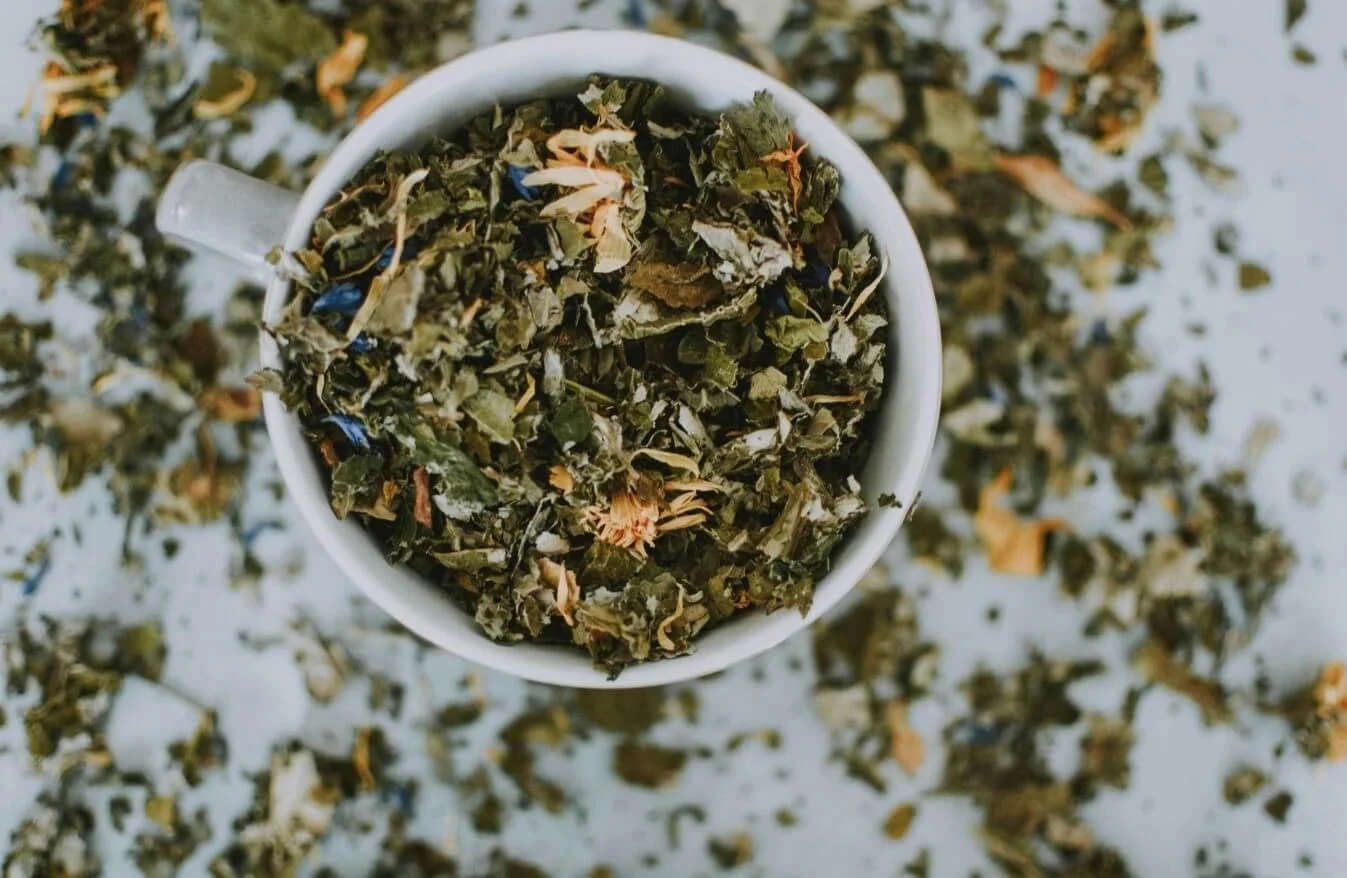
Herbal Tea
Wellness doesn't have to be complicated. Sometimes, it's as simple as choosing what you put in your cup.
What if I told you that one simple daily habit could improve your sleep, boost your immune system, support digestion, enhance your skin, reduce stress, and increase your overall sense of wellbeing - all without pills, expensive supplements, or complicated routines?
You'd probably think I was selling snake oil.
But here's the thing: this isn't some miracle cure or wellness trend that'll be forgotten next year. It's herbal tea - a practice humans have used for over 5,000 years across virtually every culture on Earth. And while our ancestors relied on traditional wisdom, we now have modern science confirming what they always knew: drinking herbal blends regularly creates profound, measurable improvements in health and quality of life.
The beauty of herbal tea lies in its simplicity. You're already drinking beverages throughout your day. What if those beverages were actively supporting your health instead of just quenching your thirst - or worse, undermining your wellness with sugar, caffeine crashes, and artificial ingredients?
In this article, we're diving into the 10 most impactful everyday benefits of drinking herbal blends. These aren't theoretical health claims or wishful thinking - they're real, practical improvements you'll notice in your daily life, backed by both scientific research and thousands of years of human experience.
Let's explore why adding herbal tea blends to your routine might be the easiest health upgrade you ever make.
1. Better Sleep Without the Sleep Aid Hangover
The everyday impact: You fall asleep faster, stay asleep longer, and wake up feeling actually refreshed instead of groggy and disoriented.
Let's start with perhaps the most life-changing benefit: improved sleep quality. Nearly one-third of adults struggle with sleep, and while sleeping pills are a common solution, they come with significant downsides - morning grogginess, dependency risks, and disrupted natural sleep architecture that leaves you feeling unrested even after 8 hours.
Herbal tea blends work differently. Instead of forcing sleep through sedation, herbs like chamomile, passionflower, and valerian root gently support your body's natural sleep mechanisms. They calm your nervous system, reduce the racing thoughts that keep you awake, and help you transition smoothly from wakefulness to sleep.
The science: Chamomile contains apigenin, a compound that binds to receptors in your brain that promote sleepiness and reduce insomnia. A study published in BMC Complementary Medicine found that chamomile extract significantly improved sleep quality in elderly participants. Passionflower has been shown to increase GABA levels in the brain, the same neurotransmitter that promotes deep, restorative sleep.
What you'll notice:
Falling asleep in 20-30 minutes instead of lying awake for hours
Fewer middle-of-the-night wake-ups
More vivid dreams (a sign of deeper REM sleep)
Waking up feeling refreshed rather than hitting snooze repeatedly
Better mood and cognitive function during the day (the result of quality sleep)
Pro tip: Create a consistent bedtime tea ritual. Brew your sleep blend at the same time each evening, 30-60 minutes before bed. The consistency trains your body to recognize the tea as a sleep signal, amplifying its effectiveness over time.
2. Natural Stress Management That Actually Works
The everyday impact: You respond to stress more calmly, recover from stressful situations faster, and don't carry tension throughout your day and into your evening.
We live in a chronically stressed society. Work deadlines, financial pressures, relationship challenges, information overload - the list is endless. While you can't eliminate stress from your life, you can fundamentally change how your body processes it.
Herbal blends, particularly those containing adaptogens like holy basil (tulsi) and ashwagandha, help regulate your stress response system. They don't numb you to stress or mask symptoms - they literally help your body handle stress more efficiently at a cellular level.
The science: Adaptogens work by modulating the hypothalamic-pituitary-adrenal (HPA) axis - your body's stress control center. Research published in the Journal of Ayurveda and Integrative Medicine shows that holy basil reduces cortisol levels (your primary stress hormone) while protecting against stress-induced damage to organs and tissues. A systematic review found that ashwagandha significantly reduces stress and anxiety scores while improving overall quality of life.
What you'll notice:
Less reactive emotional responses to everyday frustrations
Reduced physical symptoms of stress (tight shoulders, clenched jaw, digestive upset)
Better sleep even during stressful periods
More emotional resilience and faster recovery from challenging situations
Improved focus and decision-making under pressure
Real-world example: Instead of reaching your breaking point by 2pm and needing three coffees to power through (only to crash later), drinking adaptogenic tea mid-afternoon helps you maintain steady, calm energy that carries you through the workday without the anxiety spike or evening burnout.
3. Digestive Comfort After Meals
The everyday impact: Less bloating, gas, and discomfort after eating. No more unbuttoning your pants after dinner or dealing with indigestion that ruins your evening.
Digestive issues are incredibly common but rarely discussed. Bloating, gas, cramping, indigestion, and irregular bowel movements affect millions of people daily - and most suffer in silence, thinking it's just "how their body is."
Herbal blends offer gentle, effective digestive support without the side effects of over-the-counter medications. Peppermint, ginger, fennel, and chamomile have been used for centuries to soothe digestive distress, and science now explains exactly why they work so well.
The science: Peppermint contains menthol, which relaxes the smooth muscles of the digestive tract, reducing cramping and bloating. Studies show peppermint oil is highly effective for IBS symptoms. Ginger stimulates digestive enzyme production and promotes healthy gut motility—research demonstrates it's particularly effective for nausea and upset stomach. Fennel reduces gas production and has mild antimicrobial properties that support healthy gut flora.
What you'll notice:
Comfortable digestion after meals instead of that "too full" feeling
Less gas and bloating throughout the day
Reduced acid reflux and heartburn
More regular bowel movements
Better appetite regulation (you feel satisfied but not stuffed)
Pro tip: Drink digestive herbal tea 15-20 minutes after meals for maximum benefit. The timing allows the herbs to work on food as it's being digested, preventing issues before they start rather than treating them after the fact.
4. Sustained Hydration That Your Body Actually Uses
The everyday impact: You feel more energized, your skin looks better, you have fewer headaches, and you're not constantly thirsty despite drinking water all day.
Most people are chronically dehydrated, even when they're drinking plenty of water. Why? Because hydration isn't just about volume - it's about absorption and retention. Plain water, especially in large quantities, can pass through your system without being optimally absorbed.
Herbal teas offer superior hydration for several reasons. The minerals and compounds in herbs help your body retain and utilize the water more effectively. Plus, the flavor makes you more likely to drink adequate amounts throughout the day (plain water gets boring, admit it).
The science: Herbal teas are 99% water but come with added benefits of plant compounds that support cellular hydration. Research shows that herbal teas hydrate just as effectively as plain water while providing additional antioxidants and nutrients. Unlike caffeinated beverages, most herbal teas don't have diuretic effects, so they contribute to hydration rather than working against it.
What you'll notice:
Increased energy levels (dehydration is a common cause of fatigue)
Improved skin texture and appearance
Fewer headaches (many headaches are actually dehydration)
Better physical performance and recovery
Improved cognitive function and focus
Less brain fog
Pro tip: Keep a thermos of herbal tea at your desk or in your car. Having it readily available makes consistent hydration effortless. Aim for 3-4 cups of herbal tea daily in addition to regular water intake.
5. Immune Support That Keeps You Healthy Year-Round
The everyday impact: You get sick less often, recover faster when you do catch something, and have more resilience during cold and flu season.
Your immune system is constantly working to protect you from bacteria, viruses, and other threats. But chronic stress, poor sleep, inadequate nutrition, and environmental factors can weaken immune function - leaving you vulnerable to every bug that goes around your office or your kid brings home from school.
Many herbal blends contain powerful immune-supporting compounds that strengthen your body's natural defenses. This isn't about "boosting" your immune system to unnatural levels (which can actually be harmful) - it's about supporting optimal function so your immune system can do its job effectively.
The science: Elderberry has been extensively studied for immune support. Research shows it reduces the duration and severity of flu symptoms by supporting immune cell function. Echinacea stimulates white blood cell production and activity. Ginger has antimicrobial properties and supports the immune response. A review in the journal Nutrients found that regular consumption of certain herbs significantly reduces the incidence and duration of common respiratory infections.
What you'll notice:
Getting sick less frequently (fewer colds throughout the year)
Milder symptoms when you do catch something
Faster recovery time (a cold that would have lasted 10 days lasts 5)
Fewer sick days from work or missed activities
Better resilience during high-stress periods (when immunity typically drops)
Pro tip: Don't wait until you're sick to drink immune-supporting teas. Consistent daily consumption provides preventative benefits. During high-risk seasons (fall/winter), drink 2-3 cups daily of immune-supporting blends.
6. Natural, Steady Energy Without the Crash
The everyday impact: You have consistent energy throughout the day without the 2pm slump, jittery anxiety, or evening exhaustion that comes from caffeine dependence.
Coffee and energy drinks have become the default solution for fatigue. But the caffeine roller coaster - initial spike, mid-afternoon crash, evening exhaustion but inability to sleep - creates more problems than it solves. You end up needing caffeine just to function normally, trapped in a cycle of dependency.
Herbal tea blends offer a different approach to energy. Instead of artificially stimulating your nervous system (and depleting your adrenal glands in the process), herbs like holy basil, ginseng, and rooibos support your body's natural energy production at the cellular level. The result is sustained, stable energy that doesn't leave you depleted.
The science: Adaptogenic herbs improve mitochondrial function (your cells' energy factories) and help your body use energy more efficiently. Holy basil, for example, improves stress-induced metabolic changes that contribute to fatigue. Ginseng enhances physical endurance and reduces feelings of fatigue. Unlike caffeine, these herbs don't create dependency or tolerance - your body responds to them without needing escalating doses.
What you'll notice:
Waking up feeling refreshed instead of desperately needing coffee
Steady energy throughout the day without peaks and crashes
Mental clarity and focus without jitters or anxiety
Better physical stamina for exercise or daily activities
Natural sleepiness at bedtime (instead of being exhausted but wired)
Pro tip: If you're transitioning away from coffee, do it gradually. Replace one cup of coffee with an energizing herbal blend (like holy basil with ginger), then gradually replace more. This prevents caffeine withdrawal headaches while establishing your new, healthier habit.
7. Clearer, Healthier Skin From the Inside Out
The everyday impact: Fewer breakouts, more even skin tone, reduced inflammation and redness, and a natural glow that no skincare product can replicate.
You can spend hundreds of dollars on serums, creams, and treatments, but true skin health starts from within. Your skin is your largest organ, and it directly reflects what's happening inside your body - your hydration status, inflammation levels, gut health, and detoxification capacity.
Herbal blends support skin health through multiple mechanisms: antioxidants that protect against damage, anti-inflammatory compounds that reduce breakouts and redness, liver support that aids detoxification, and hydration that plumps and nourishes skin cells.
The science: Many herbs are rich in polyphenols and antioxidants that protect skin from oxidative damage and premature aging. Rooibos, for example, contains aspalathin and nothofagin - powerful antioxidants that have been shown to protect skin cells. Chamomile has anti-inflammatory properties that can reduce acne and skin irritation. The connection between gut health and skin health is well-established, and herbs that support digestion (like peppermint and ginger) indirectly improve skin appearance.
What you'll notice:
Clearer complexion with fewer breakouts
More even skin tone and reduced redness
Reduced appearance of fine lines (from better hydration)
Faster healing of blemishes and irritation
A natural, healthy glow that makeup can't replicate
Compliments on your skin (the best indicator!)
Pro tip: For skin benefits, consistency is key. Daily consumption of antioxidant-rich herbal blends (rooibos, hibiscus, chamomile) for at least 6-8 weeks produces visible results. Combine with adequate water intake and good sleep for maximum skin transformation.
8. Better Focus and Mental Clarity
The everyday impact: You think more clearly, make decisions more easily, remember things better, and work more efficiently without the scattered, overwhelmed feeling.
Brain fog, difficulty concentrating, and mental fatigue have become epidemic - partly due to information overload, chronic stress, and poor sleep. While coffee provides temporary mental stimulation, it often comes with anxiety, scattered thoughts, and eventual mental exhaustion.
Certain herbal tea blends improve cognitive function through completely different mechanisms. They reduce inflammation in the brain, support neurotransmitter production, improve blood flow to brain tissue, and help regulate stress hormones that interfere with clear thinking.
The science: Herbs like ginkgo biloba improve cerebral blood flow, enhancing oxygen and nutrient delivery to brain cells. Holy basil has been shown to improve cognitive function under stress by reducing cortisol's negative effects on the brain. Peppermint has been studied for its ability to enhance memory and alertness through aromatic compounds that stimulate the hippocampus.
What you'll notice:
Easier time focusing on tasks without distraction
Better working memory (remembering what you were doing, where you put things)
Faster mental processing and decision-making
More creativity and problem-solving ability
Reduced mental fatigue at the end of the workday
Less "tip of the tongue" moments
Pro tip: Drink a cup of peppermint or holy basil tea mid-morning or mid-afternoon when you need to focus on cognitively demanding tasks. The ritual of brewing and the brief break actually enhance the cognitive benefits.
9. Reduced Inflammation Throughout Your Body
The everyday impact: Less pain and stiffness, faster recovery from exercise, reduced allergy symptoms, and better overall comfort in your body.
Chronic inflammation is the root cause of numerous health issues - from joint pain and autoimmune conditions to heart disease and cognitive decline. While acute inflammation is a healthy immune response to injury, chronic low-grade inflammation damages tissues and accelerates aging.
Many herbal tea blends contain powerful anti-inflammatory compounds that help regulate your body's inflammatory response without the side effects of pharmaceutical anti-inflammatories (which can damage the gut lining and liver with long-term use).
The science: Turmeric (curcumin) is one of the most well-researched anti-inflammatory compounds, shown to be as effective as some pharmaceutical anti-inflammatories. Ginger contains gingerols and shogaols that inhibit inflammatory pathways. Green tea (often blended with herbs) contains EGCG, a polyphenol with strong anti-inflammatory effects. A meta-analysis found that regular consumption of anti-inflammatory herbs significantly reduces inflammatory markers in the blood.
What you'll notice:
Reduced joint pain and stiffness, especially in the morning
Faster recovery from workouts (less soreness)
Fewer allergy symptoms and sinus congestion
Reduced digestive inflammation and discomfort
Better mobility and flexibility
Less puffiness and water retention
Pro tip: For inflammation, think of herbal blends as long-term medicine rather than acute treatment. Daily consumption of anti-inflammatory herbs (turmeric, ginger, chamomile) for 4-8 weeks produces the most significant results. Combine with an anti-inflammatory diet for maximum benefit.
10. A Mindfulness Practice Built Into Your Day
The everyday impact: You have regular moments of calm and presence built into your routine, reducing overall stress and improving your relationship with yourself and others.
This benefit might be the most underrated but potentially the most valuable. The act of brewing tea, waiting for it to steep, and mindfully drinking it creates forced pauses in your day - micro-meditations that interrupt the constant doing, rushing, and multitasking that characterize modern life.
These moments of presence have profound effects on your nervous system, stress levels, and overall mental health. In a world that constantly demands your attention, a tea ritual is a small act of rebellion - a reclaiming of your time and attention for something nourishing.
The science: Research on mindfulness practices shows that even brief moments of present-moment awareness reduce cortisol levels, improve emotional regulation, and enhance overall wellbeing. The ritual aspects of tea drinking - the sensory engagement with aroma, warmth, and flavor - activate the parasympathetic nervous system, shifting you out of "fight or flight" and into "rest and digest" mode.
What you'll notice:
Feeling less rushed and overwhelmed throughout your day
Better ability to handle stress and unexpected challenges
More patience with yourself and others
Improved sleep (because you're not in constant activation mode)
Greater sense of control over your life
More enjoyment of simple pleasures
Pro tip: Protect your tea time fiercely. No phone, no email, no multitasking. Even if it's just 5 minutes, make it sacred. This teaches your nervous system that not everything is urgent, and that lesson carries into the rest of your day.
How to Maximize These Benefits: Your Herbal Tea Practice
Getting these benefits isn't complicated, but consistency matters. Here's how to establish a sustainable herbal tea practice:
Start Simple
Don't try to drink 6 different teas for 6 different purposes. Start with one or two tea blends that address your biggest concerns (sleep issues? Start with a nighttime blend. Stress? Try an adaptogenic tea).
Build a Routine
Tie tea drinking to existing habits:
Morning: Brew tea while your breakfast cooks
Afternoon: Set a 3pm tea alarm as a midday reset
Evening: Make tea part of your wind-down routine
Quality Matters
Buy organic, high-quality herbs. Cheap tea bags often contain lower-grade materials and may include pesticides that undermine the health benefits you're seeking.
Give It Time
Some benefits are immediate (digestion, hydration), while others are cumulative (immune function, inflammation, stress resilience). Commit to at least 4 weeks of consistent use before evaluating results.
Track Your Experience
Notice how you feel. Better sleep? More energy? Clearer skin? These subjective improvements are the real measure of success, not abstract health claims.
Experiment and Adjust
Everyone's body is different. If a particular herb doesn't work for you, try something else. The beauty of herbal medicine is the variety of options available.
Common Questions About Daily Herbal Tea Consumption
Q: How many cups should I drink per day? A: 2-4 cups daily is ideal for most people. This provides enough herb exposure for therapeutic benefits without overwhelming your system.
Q: Can I drink herbal tea on an empty stomach? A: Most herbal teas are fine on an empty stomach. However, if you have a sensitive stomach, start with drinking tea with or after meals, then experiment with timing.
Q: Will I get tired of the same tea every day? A: Rotate between 3-4 different blends to keep things interesting. Monday/Wednesday/Friday could be one blend, Tuesday/Thursday another, weekends a third.
Q: Are there any herbs I should avoid with daily use? A: Most culinary and beverage herbs are safe for daily consumption. However, very strong medicinal herbs (like valerian) are better used short-term or as-needed rather than daily long-term. When in doubt, consult an herbalist or healthcare provider.
Q: How long before I notice benefits? A: Digestion and hydration benefits can be noticed within days. Sleep and stress improvements typically show within 1-2 weeks. Skin, immune, and inflammation benefits often take 4-8 weeks of consistent use.
Q: Can I drink herbal tea if I'm taking medications? A: Most herbal teas are safe with medications, but some can interact. Check with your pharmacist or doctor about your specific herbs and medications. Common interactions include blood thinners with chamomile and blood pressure medications with licorice.
Beyond the Cup: Herbal Tea as Lifestyle Medicine
What makes herbal tea such a powerful wellness tool isn't just the pharmacological properties of the herbs - though those are significant. It's the combination of beneficial compounds, superior hydration, mindfulness practice, and daily ritual that creates compounding benefits over time.
Think of it this way: pharmaceutical medications are designed to produce immediate, dramatic effects on specific symptoms. Herbal teas work subtly and systemically, supporting your body's innate healing capacity rather than forcing a particular response.
The result is sustainable, long-term wellness rather than temporary symptom suppression. You're not just addressing individual health issues - you're elevating your overall baseline of health and resilience.
The Simple Truth: Small Changes, Big Results
We live in a culture that loves quick fixes and dramatic transformations. We want the supplement that will revolutionize our health, the workout program that will transform our body in 30 days, the diet that will solve everything.
But real, lasting health rarely comes from dramatic interventions. It comes from small, consistent habits that accumulate over time.
Drinking herbal tea is one of those habits. It's not flashy. It's not expensive. It's not complicated. But cup by cup, day by day, it creates meaningful improvements in how you feel and function.
Better sleep. Less stress. Comfortable digestion. Clear skin. Steady energy. Mental clarity. Reduced inflammation. Built-in mindfulness.
These aren't small things. They're the foundations of a life lived with vitality, presence, and wellbeing.
The question isn't whether herbal tea can improve your daily life - the evidence is overwhelming that it can. The question is: will you give yourself permission to take those 5-10 minutes each day to invest in your wellbeing?
Your body is asking for support. Maybe it's time to answer with a cup of tea.
Ready to experience these benefits for yourself? Explore our collection of premium herbal tea blends, each thoughtfully crafted to support specific aspects of your wellness. From energizing morning blends to calming evening rituals, we make it easy to transform your daily tea habit into powerful self-care.
Because wellness doesn't have to be complicated. Sometimes, it's as simple as choosing what you put in your cup.
Related Articles:
“Benefits of Switching to Herbal Blends versus Traditional Teas”
“Beauty From Within: Herbal Tea Blends That Support Clear, Glowing Skin”
This article was created in collaboration with Claude AI.
